Palm Jumeirah is one of Dubai’s most iconic landmarks—an artificial island shaped like a palm tree, stretching into the Arabian Gulf. But how was Palm Jumeirah built? What’s the story behind this engineering marvel that has captivated the world?
In this article, we explore the history of Palm Jumeirah, its construction process, and the incredible vision that brought this man-made island to life.
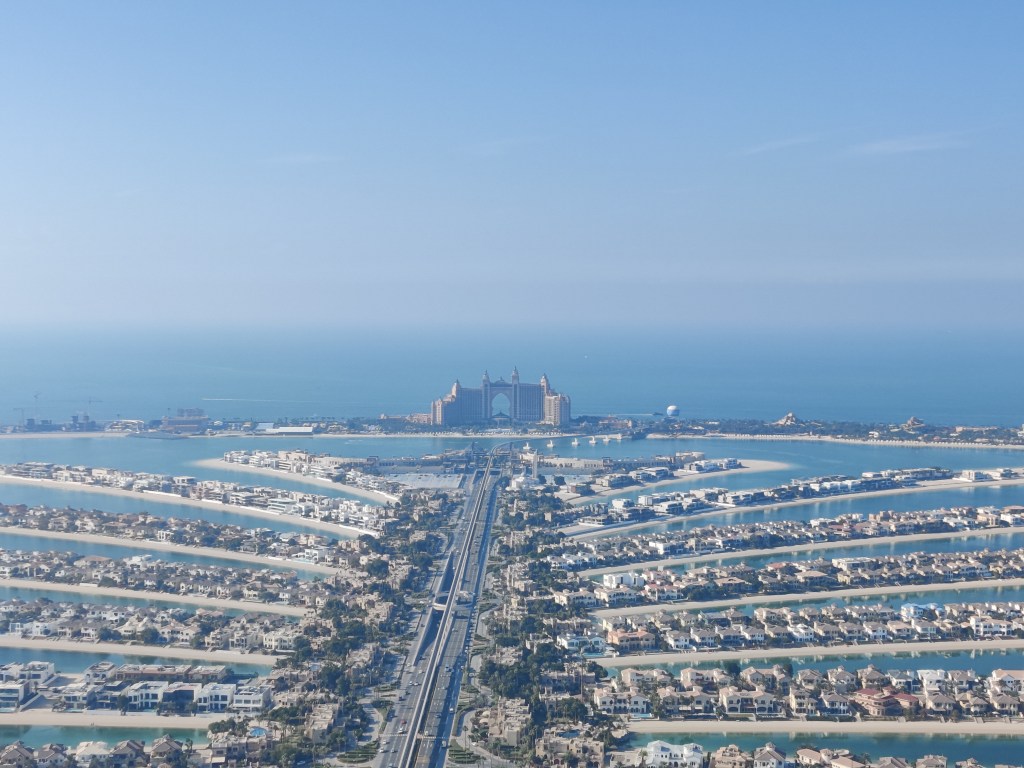
The Vision Behind Palm Jumeirah
The idea for Palm Jumeirah was born in the late 1990s, during a time of rapid development in Dubai. Under the leadership of Sheikh Mohammed bin Rashid Al Maktoum, Dubai aimed to become a global tourism and investment hub. But there was one problem: limited beachfront.
The bold solution was to create more coastline by building artificial islands. Palm Jumeirah would be the first of these, offering thousands of new waterfront properties and luxury resorts.
The unique palm tree shape was not just symbolic: the reason behind it was to maximize the amount of beaches and the mastermind behind it was Sheikh Mohammed himself.
Did you know that originally the Palm Jumeirah was not a palm at all? Originally the team who worked on this project proposed the island in a shape of a sun that would give Dubai only 7 kilometres of beaches. However Sheikh Mohammed Bin Rashid al Maktoum was not satisfied, as he wanted not 7km, but 70 km of beaches. It was his idea to pull the sun from the sides and make it a shape of a palm tree, with trunk, 17 leaves and a massive 11 km long crescent. And guess what? When adding everything together, you get exactly that 70 km he asked for. Great ideas come from the great visionary minds!
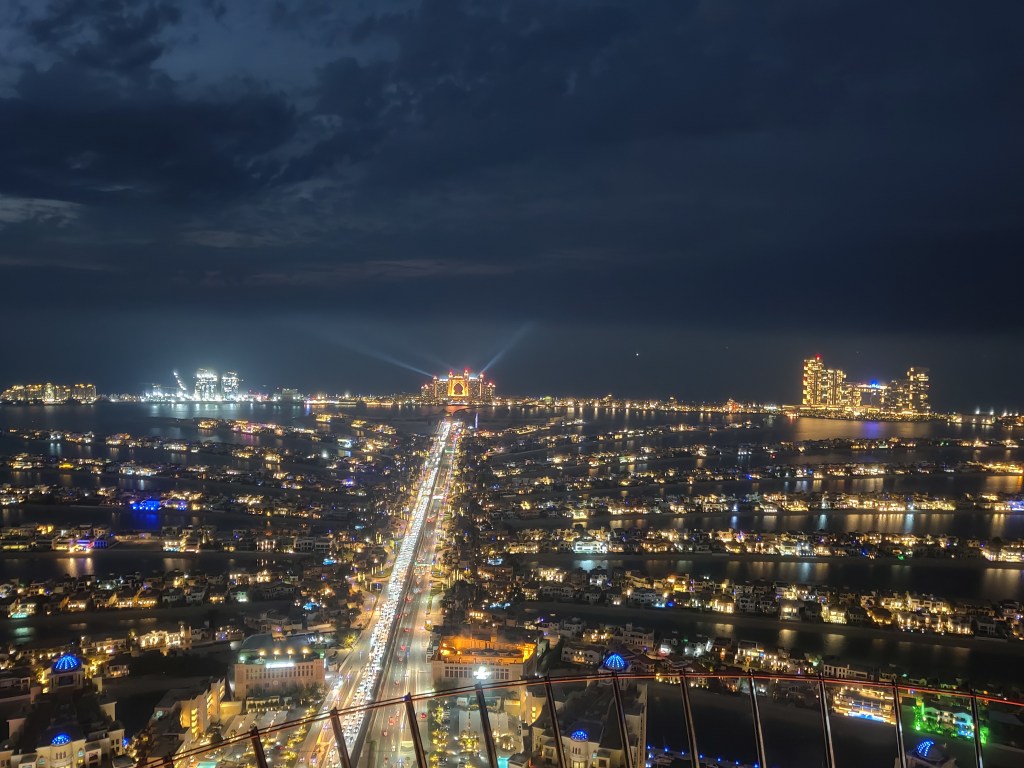
How Palm Jumeirah Was Built
Construction of Palm Jumeirah began in 2001, led by Dubai-based government owned developer Nakheel Properties. The process used a method called land reclamation, where sand and rocks were deposited into the sea to form land.
Key facts about Palm Jumeirah:
1) Over 94 million cubic meters of sand were used to make the palm
2) Vibro Compaction technique was used to make the soil particles denser and make them stay closer together.
2) Around 7 million tons of rock were used to build the crescent-shaped breakwater. That is enough to build the great pyramid of Giza – twice!
3) No concrete or steel was used in the island’s foundation—only natural materials, sand from the sea and rocks from the northern Emirates.
4) GPS and satellite imagery ensured the palm shape was accurate to the design.
5) The island features:
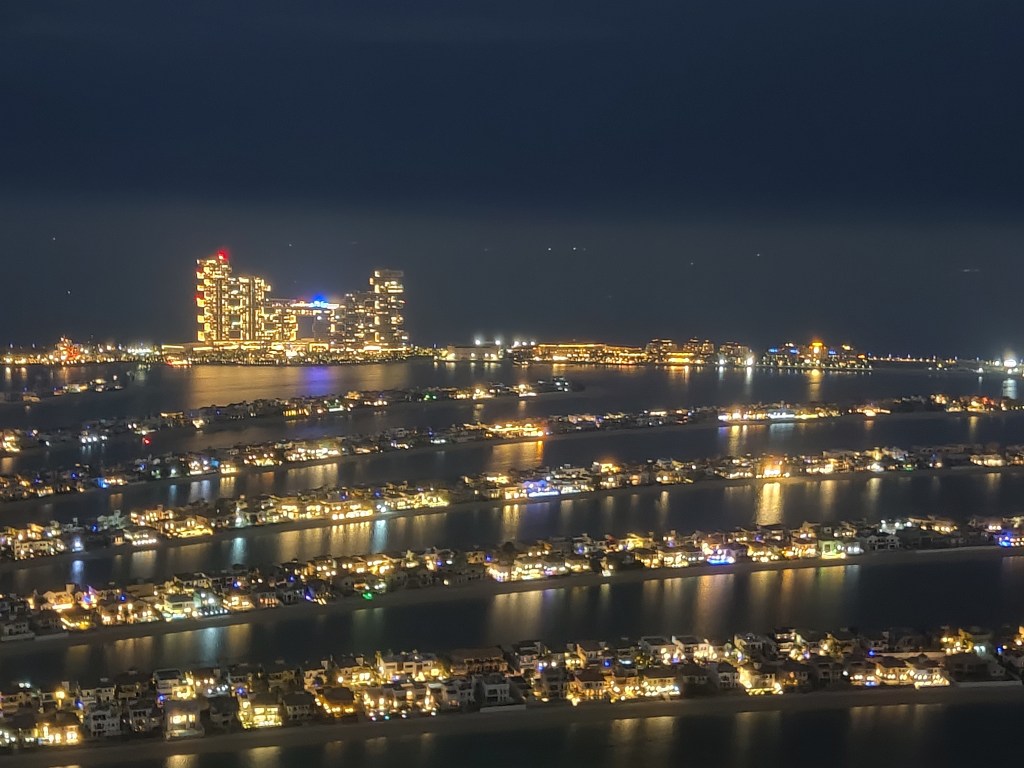
-560 hectares of land was created within a 5 km diameter of the palm
– 2-kilometer-long trunk
– 17 palm fronds
– 11-kilometer crescent acting as a breakwater to protect from waves
The construction phase lasted several years, with land reclamation completed by 2004 and residential units and infrastructure ready by 2006–2007.

What Palm Jumeirah Looks Like Today
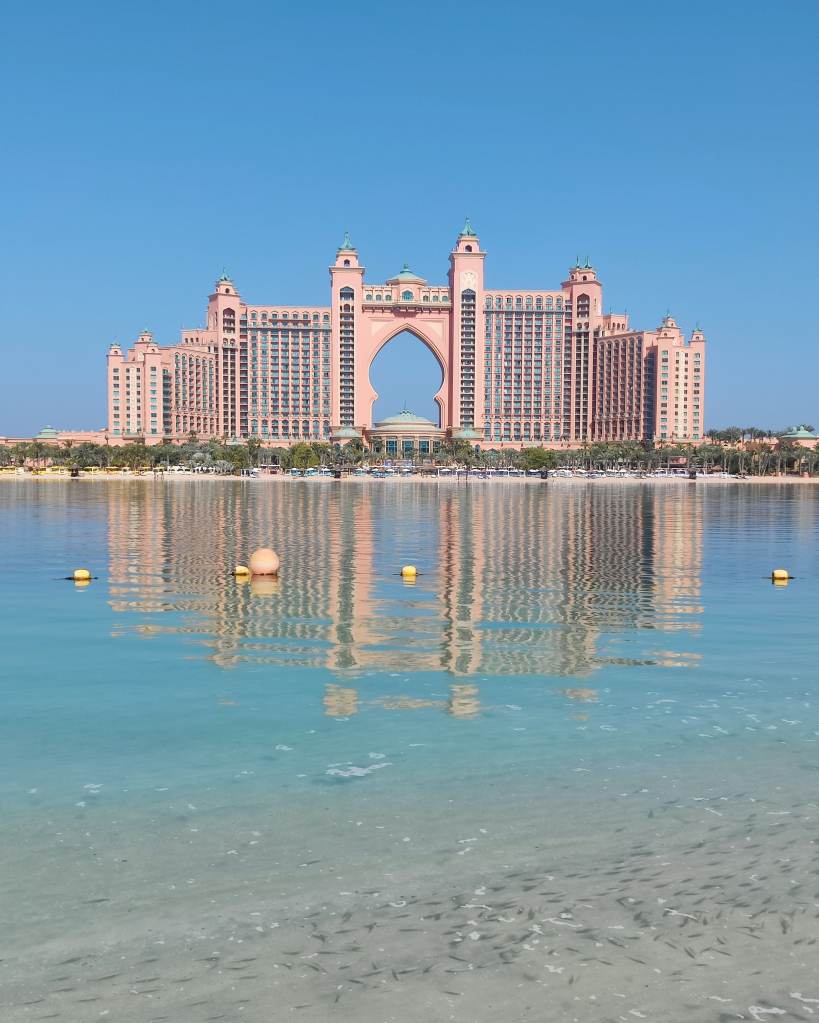
Today, Palm Jumeirah is one of Dubai’s top tourist destinations and a sought-after residential address. It features – world-class luxury hotels, beach clubs, dining, shopping, and attractions. There is around 30 luxury hotels on the island with the first one the legendary Atlantis opened in 2008. Equally famous is the Atlantis Aquaventure water park, the biggest one in the world with over 100 slides!
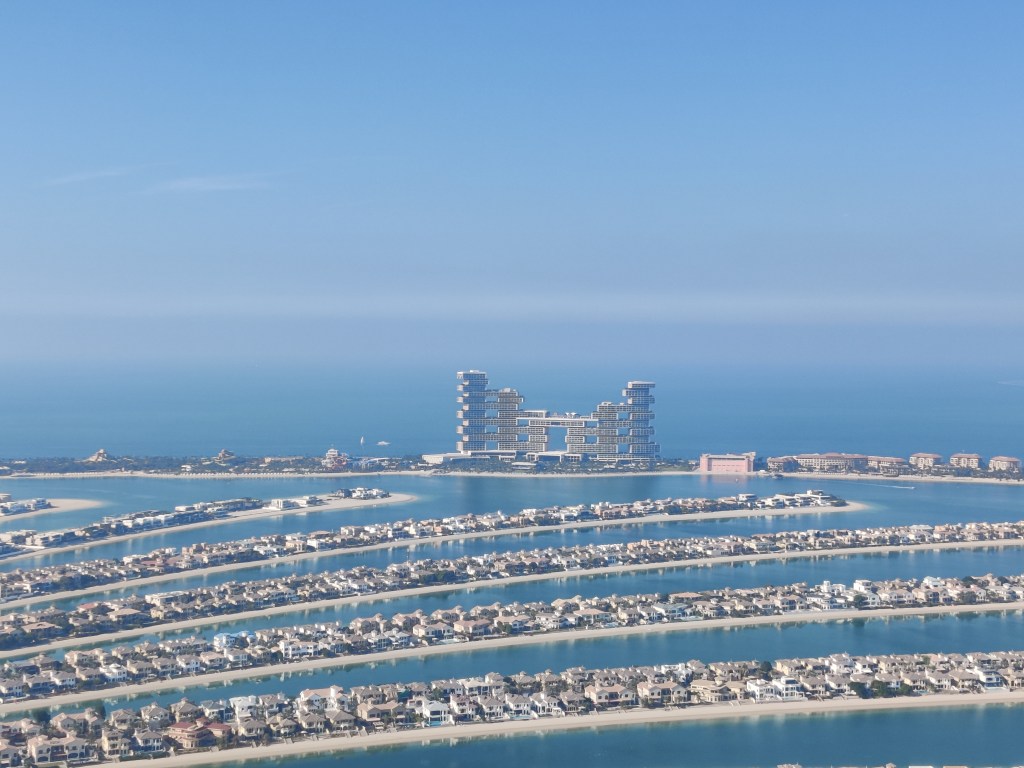
One of the latest additions to the Atlantis family is the Atlantis the Royal, the grand resort and residential complex with an area of 406 000 square meters, 795 rooms and 2 km of beach! To accommodate the sea lovers the palm also has a huge marina that is one of the biggest in the world with 800 luxury yachts parked in it’s waters.
Palm Jumeirah continues to attract investors, celebrities, and tourists from around the world. You might wonder do people actually live there? Yes they do! The manmade island is a home to almost 80 000 people. The most luxurious residences are 1 500 villas situated on the leaves meaning that they each have their own beach. Pretty awesome living arrangements, I say! If you are on the lookout for
Some A-list celebrities that love the Palm Jumeirah hotels you might spot Kim Kardashian, Priyanka Chopra, Robert De Niro and more!
Why Palm Jumeirah Matters
Palm Jumeirah is more than just a luxury development—it’s a symbol of Dubai’s innovation, ambition, and engineering excellence. It proved that with enough vision and determination, even the most incredible ideas can be made real.
It also set the stage for even bigger developments, like Palm Jebel Ali and The World Islands, reinforcing Dubai’s status as a city of the future. A separate blog post is coming about these locations, so stay tuned!

Final Thoughts
The construction of Palm Jumeirah is a fascinating story of engineering, creativity, and forward-thinking urban planning. From its bold vision to its innovative techniques, it remains one of the most ambitious real estate projects in history.
If you’re visiting Dubai or just curious about how Palm Jumeirah was built, this island is a true modern wonder worth exploring.
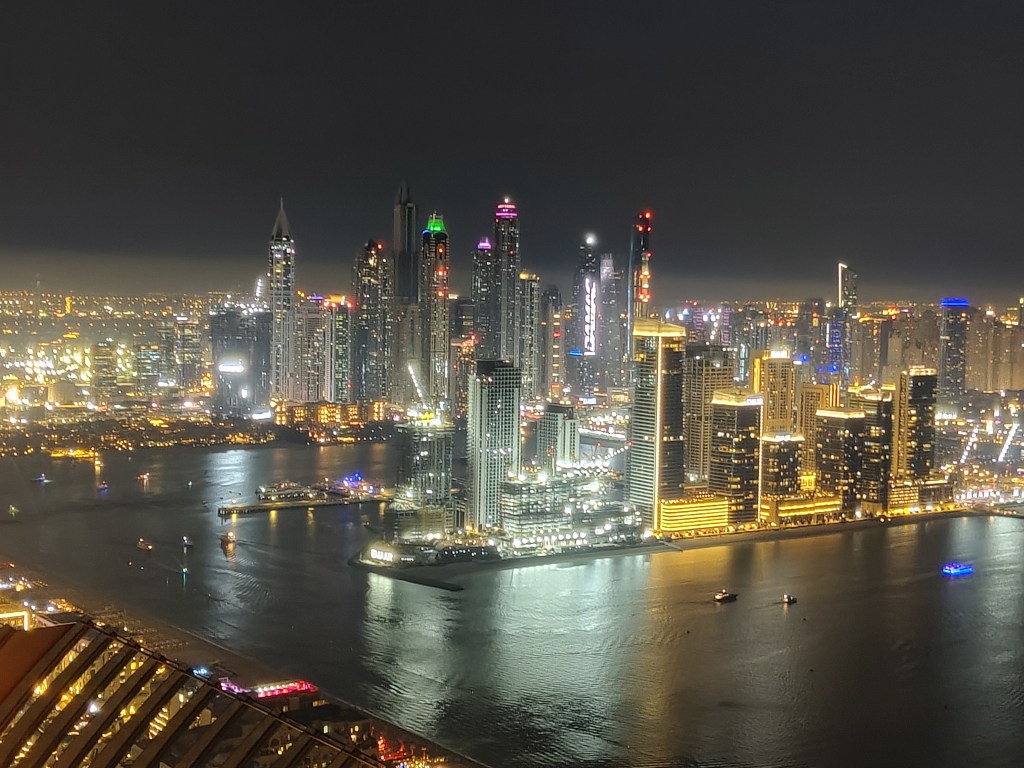
The best way to explore the palm is to visit the 360-degrees viewing platform called The View that will offer you incredible vistas from the heights of 240 m.
Stay tuned for more posts on the wonders of Dubai and the whole country!
Want to discover more modern wonders of Dubai? Check out The City of the Future – 10 iconic landmarks of modern Dubai
Or are you more curious of the traditional aspect of this amazing city? Check out Dubai’s Enchanting Souks: A Shopper’s Paradise

 Voyagerista