Tucked away in the heart of the oasis city of Al Ain, the Al Ain Museum is one of those places that quietly tells the story of the UAE long before skyscrapers and modern highways existed. While many visitors come to Al Ain for its greenery, mountain views, and relaxed atmosphere, the museum offers something equally fascinating, a chance to travel thousands of years back in time.
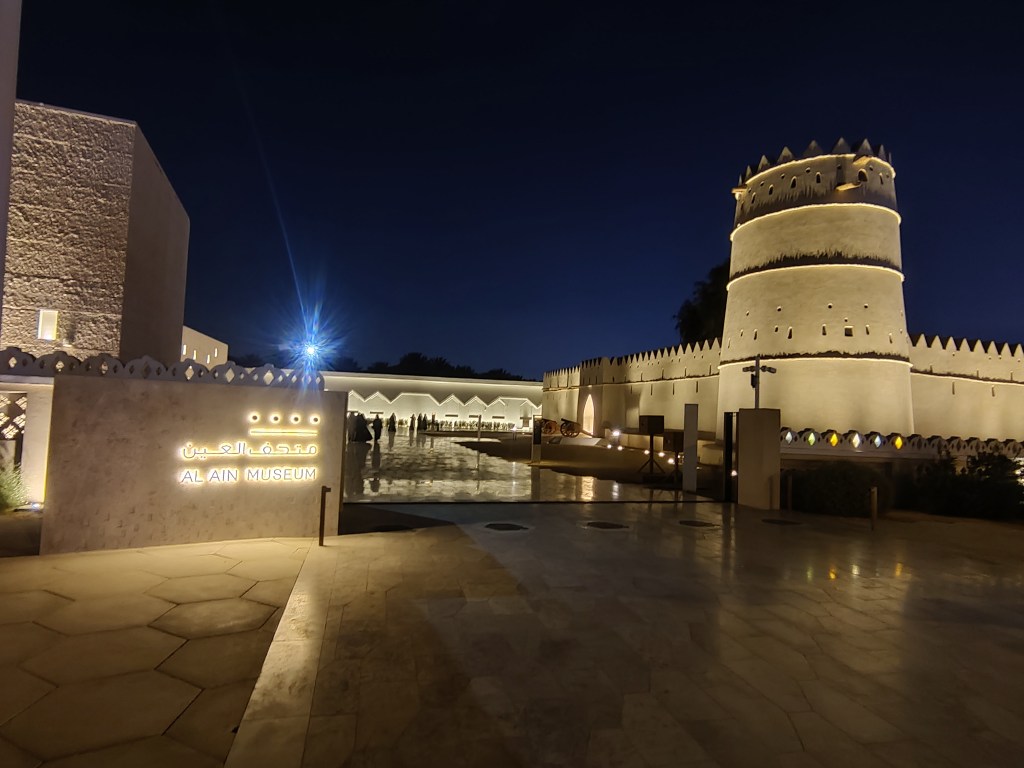
As someone who loves discovering the cultural and historical side of the UAE, I always find Al Ain special. The city feels different from Dubai and Abu Dhabi. Life moves slower here, and history is everywhere: from the ancient aflaj irrigation systems to archaeological sites hidden between palm groves and mountains. The Al Ain Museum ties all of this together beautifully.
The Oldest Museum in the UAE
Opened in 1969, the Al Ain Museum holds the title of the oldest museum in the UAE. It was established under the guidance of Sheikh Zayed bin Sultan Al Nahyan, whose vision for preserving Emirati heritage can still be felt throughout the country today.
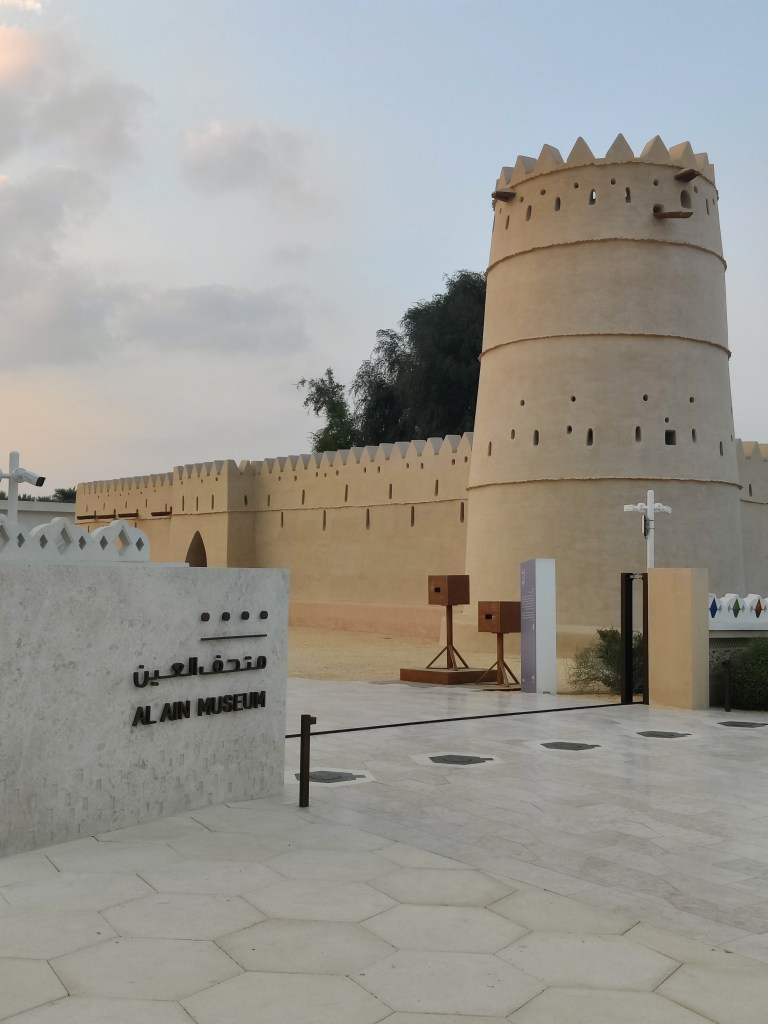
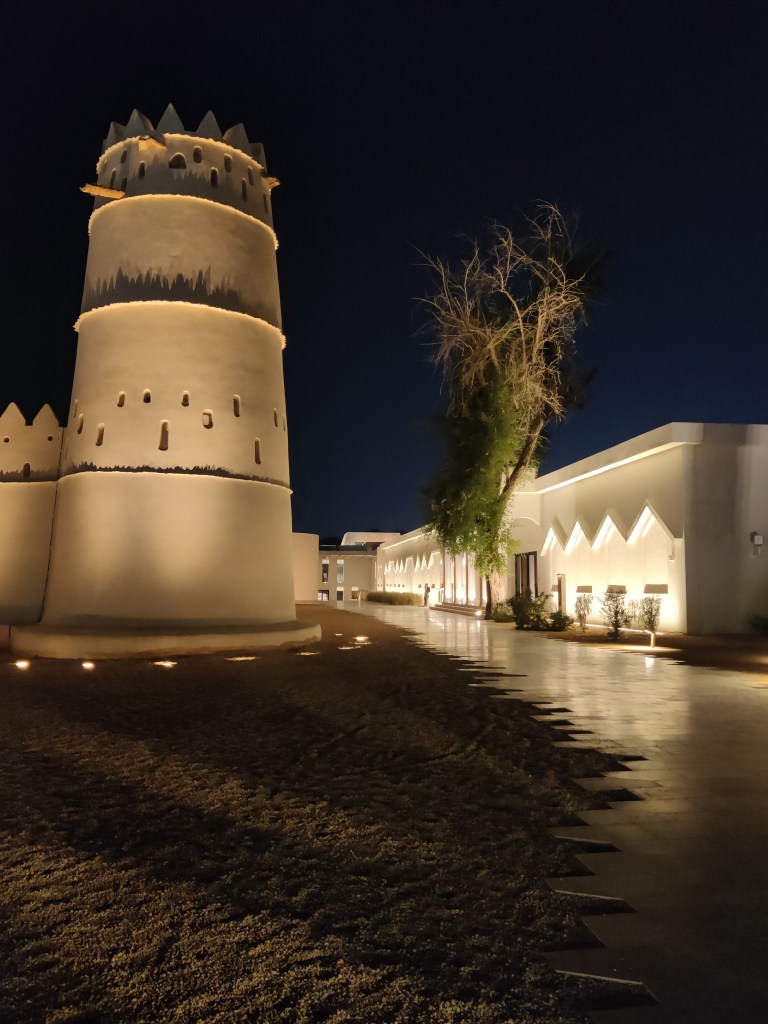
The museum was closed for renovation for a long time but now it is finally open for everyone to enjoy! The museum complex includes original museum buildings and a historical fort beautifully restored, and a brand new fully modern museum building with the latest technology. Walking through the complex feels personal and authentic rather than overwhelming. The museum has archaeological and ethnographical sections, giving visitors a glimpse into both ancient civilizations and traditional Emirati life.
Stepping Into Prehistoric Arabia
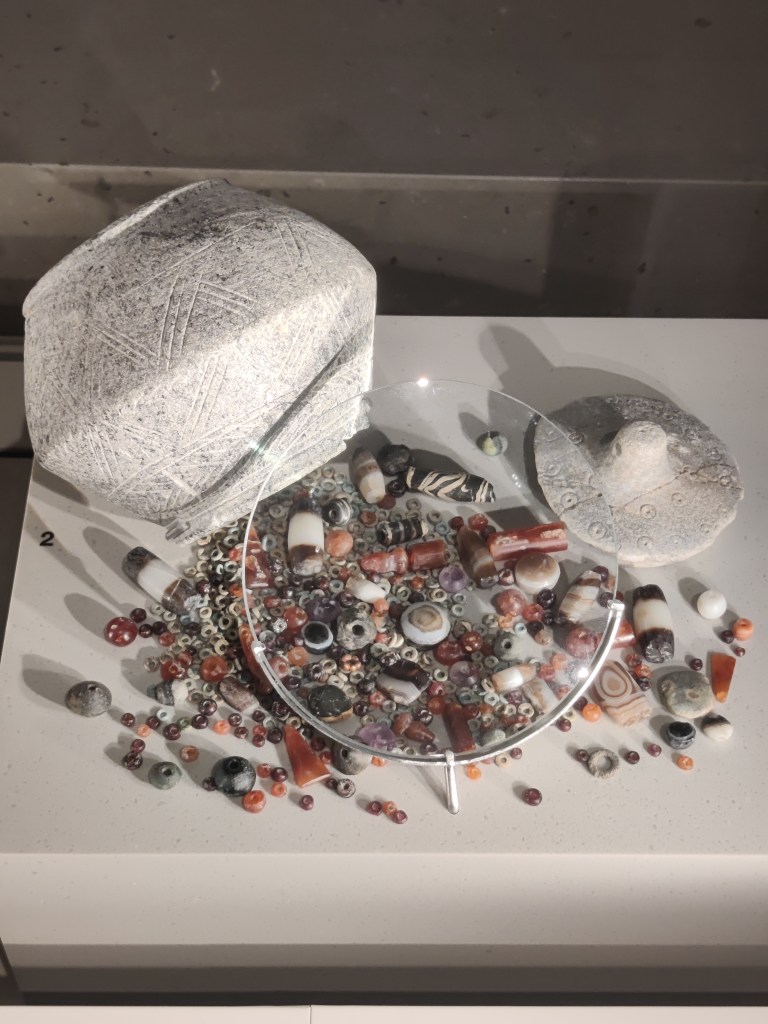
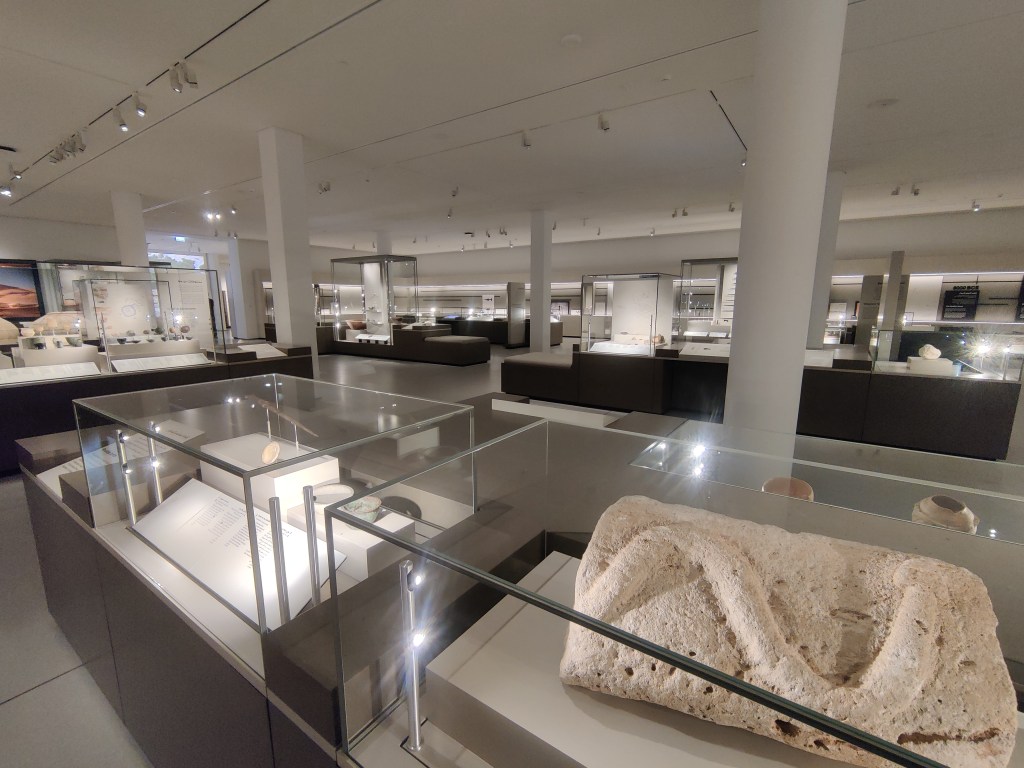
One of the most fascinating parts of the museum is its archaeological collection. Here, you can see artifacts discovered from sites around Al Ain that date back thousands of years. Pottery, tools, jewelry, coins, and weapons reveal that this region was home to thriving communities long before modern states existed.
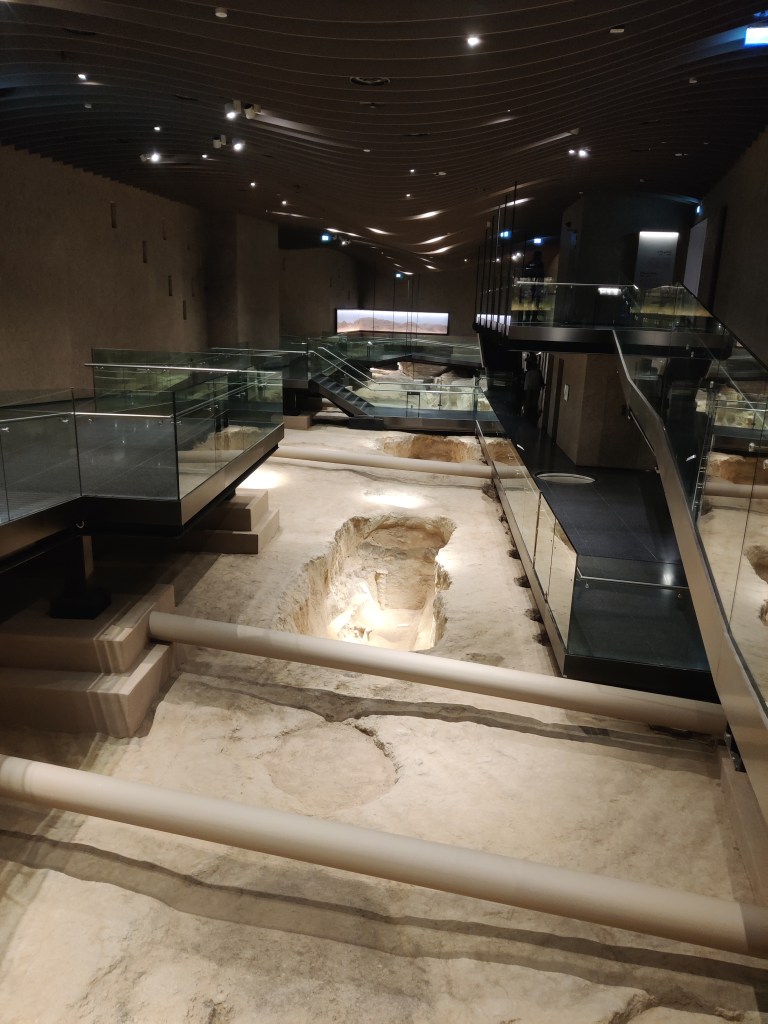
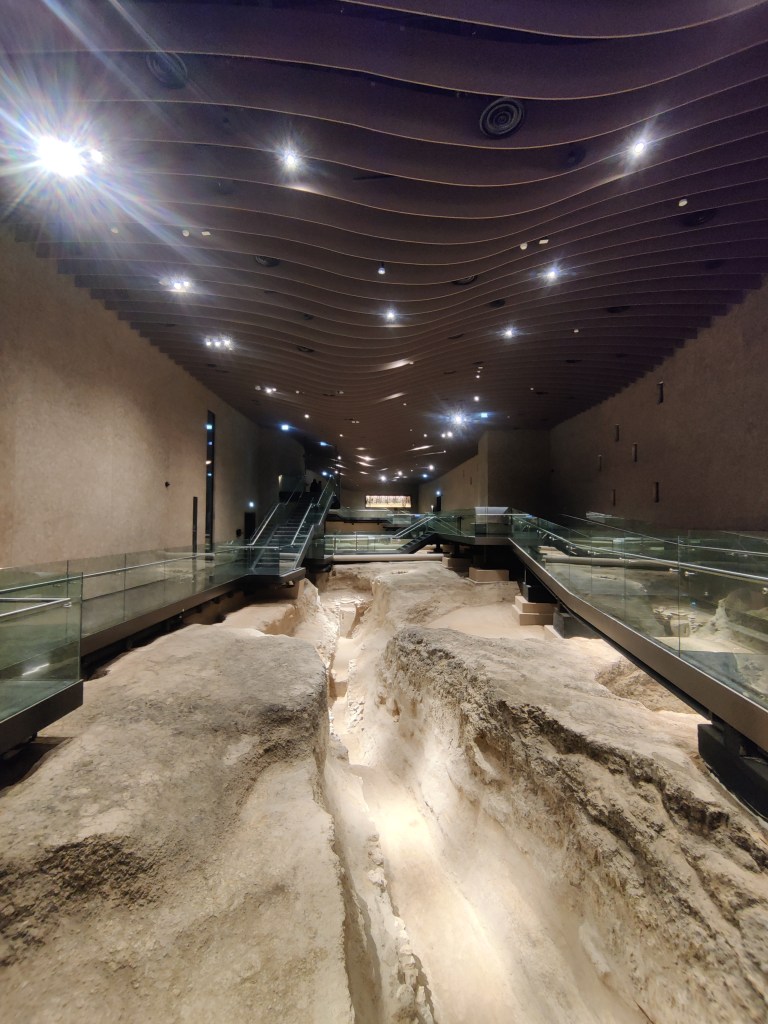
What really makes this museum unique is that it is built upon an actual Iron Age falaj irrigation system that is there for the visitors to see up close. Access to water being the universal factor for development of human civilization really explains why Al Ain has been so popular among settled communities over the span of many millenia starting from ancient times up until recent history when many tribes considered this area their home.
The exhibits from various archaeological eras are especially interesting. It is amazing to stand there looking at objects created over 4,000 years ago in what is now the UAE. The numerous archaeological sites scattered around the area helped to uncover much of this history, proving that Al Ain has been an important settlement for millennia.
Some of the displays also highlight how ancient trade routes connected this region with Mesopotamia, Persia, and the Indus Valley. It really changes the way you think about Arabia: it was definitely not an isolated desert, but part of a wider ancient world and trade networks long before Silk Routes emerged.
Traditional Emirati Life
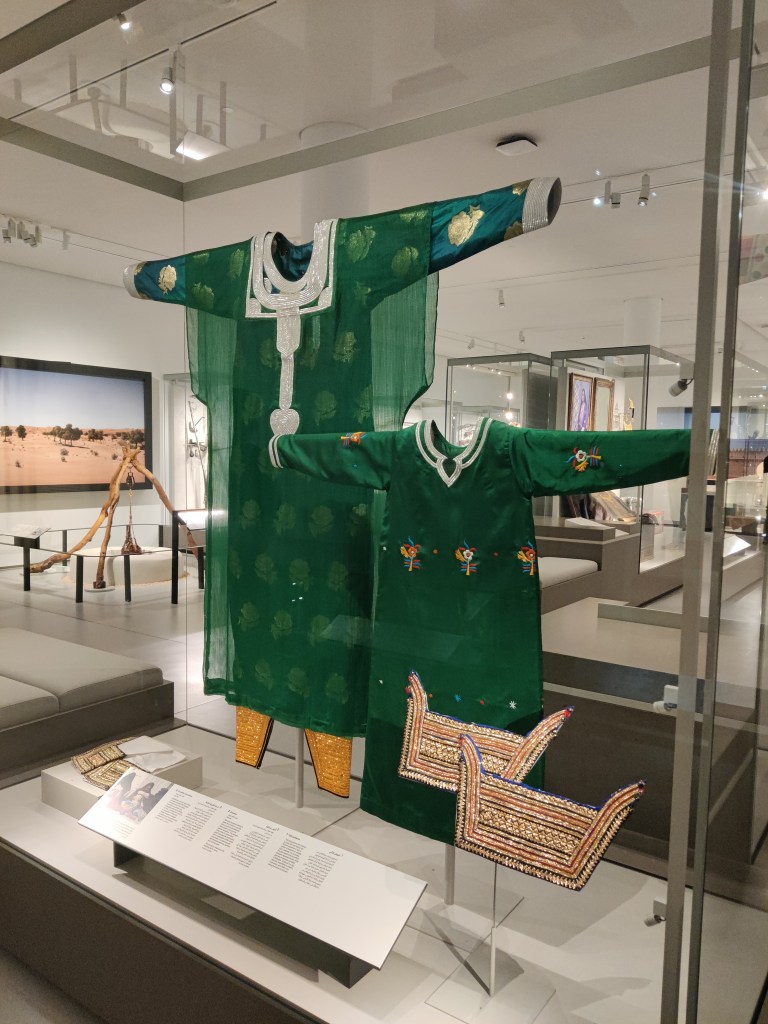
The ethnography section focuses on traditional Emirati culture before the oil era. This part feels especially meaningful because it shows how people adapted to the harsh desert environment with creativity and resilience.
I always enjoy seeing how strongly hospitality and community are reflected in these exhibits. Even today, many Emirati traditions remain deeply connected to everyday life.
A Calm and Authentic Experience
What I personally like most about the Al Ain Museum is how peaceful yet modern it feels. Unlike crowded tourist attractions, this is a place where you can take your time reading exhibits and imagining what life here looked like centuries ago. Fascinating displays and sound effects add to the feeling of mystery unfolding right before your eyes. How did the people live in those times? What were their challenges, joys and sorrows? What helped them to not only survive but thrive in those harsh circumstances?
The museum also sits close to several other historic attractions, making it easy to combine with a full cultural day in Al Ain. Nearby, you can visit: Al Ain Oasis, Al Jahili Fort, Qasr Al Muwaiji, and Jebel Hafeet mountain.
Together, they create one of the richest cultural experiences anywhere in the UAE.
Why the Al Ain Museum Matters
In a country famous for rapid development and futuristic skylines, places like the Al Ain Museum are incredibly important. They remind visitors and the local population that the UAE’s story did not begin recently. This land has thousands of years of human history, trade, innovation, and culture behind it.
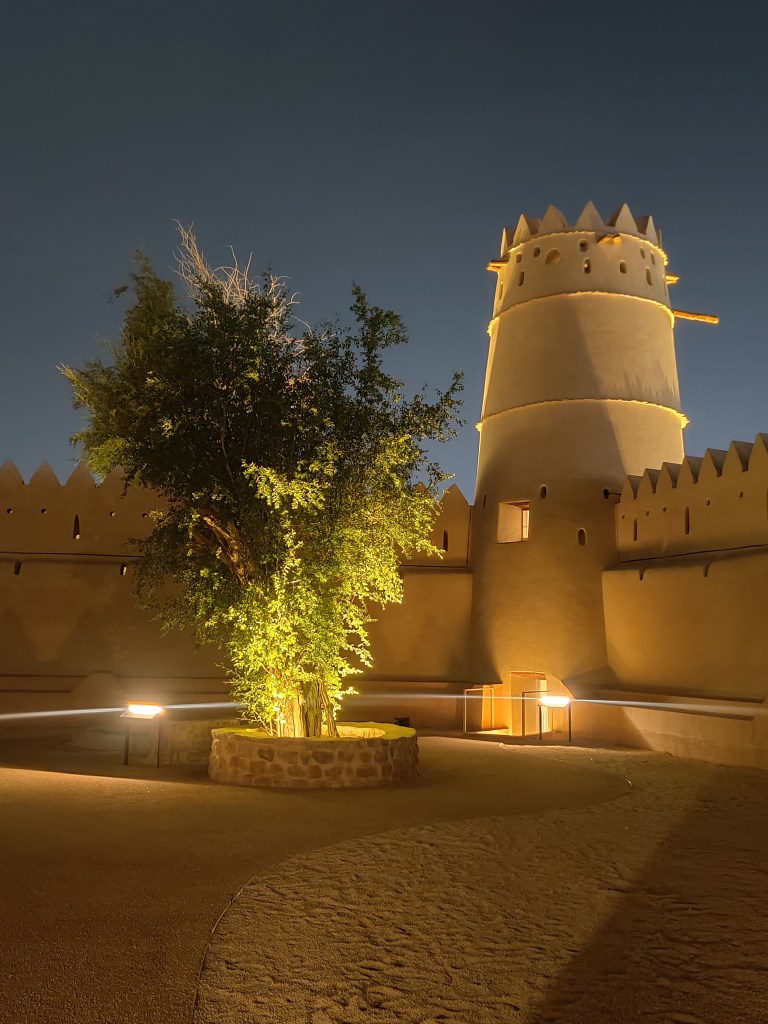
For anyone interested in archaeology, heritage, or simply understanding the roots of the Emirates better, the Al Ain Museum is absolutely worth visiting. It is a unique museum in the country and offers something very valuable: a genuine connection to the UAE’s past.


